The Baofeng UV-5R remains a staple in the EDC and survival radio community for good reason: it delivers dual-band functionality, decent range, and solid emergency-ready features at a price that's hard to beat.
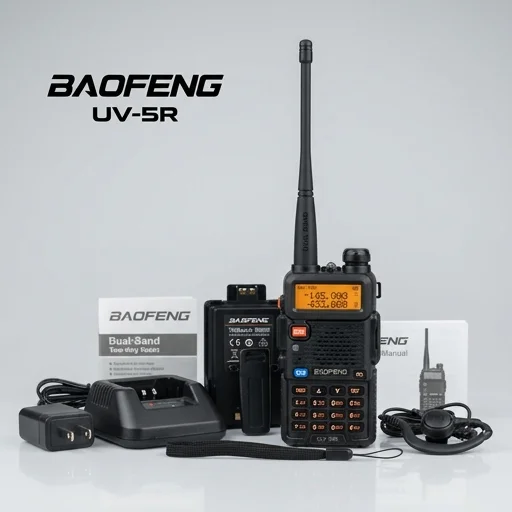
The Baofeng UV-5R remains a staple in the EDC and survival radio community for good reason: it delivers dual-band functionality, decent range, and solid emergency-ready features at a price that's hard to beat. It's not the most polished or beginner-friendly radio out of the box, and you'll want to invest time in programming it and possibly upgrading the antenna, but as a backup communication tool for hiking, camping, or emergency preparedness kits, it punches well above its weight class.
The Baofeng UV-5R has earned its place as a staple in the EDC and survival community, and for good reason. This dual-band handheld radio operates across both VHF (136-174MHz) and UHF (400-520MHz) frequencies, giving users access to a wide range of communication channels including amateur radio bands, GMRS, and various public service frequencies where legally permitted. Compact enough to clip onto a belt or tuck into a bug-out bag, it delivers surprisingly robust performance for its low price point, making it a favorite among preppers, hikers, hunters, and anyone who understands that cell service isn't guaranteed when things go sideways. The rugged plastic housing can take a beating, and the radio continues to function reliably in situations where more delicate electronics might fail.
Functionally, the UV-5R offers dual-watch capability, allowing you to monitor two frequencies simultaneously, along with a built-in flashlight, FM radio receiver for weather and news updates, and programmable memory channels that can store up to 128 different frequencies. The included rechargeable 1800mAh battery provides several hours of use, and spare batteries or the optional larger-capacity packs extend that runtime considerably for extended off-grid scenarios. Programming the radio does require a bit of a learning curve, but free software and cable kits make customizing channels straightforward once you get the hang of it. The addition of a VOX feature, adjustable squelch, and CTCSS/DCS tone capabilities means users can filter out unwanted chatter and maintain clearer communication with their designated group.
For survival and emergency preparedness purposes, this radio shines as a tool for coordinating with family members, monitoring local emergency broadcasts, or communicating with a group during outdoor expeditions where terrain and distance make phones unreliable. Its affordability means you can outfit an entire household or small team with matching units without breaking the budget, and having spares on hand as backups only strengthens your communication redundancy. While it does require an amateur radio license to legally transmit on ham frequencies, many EDC enthusiasts appreciate having the UV-5R programmed and ready in a grab-and-go kit, understanding its value as a dependable link to the outside world when conventional infrastructure goes down. Paired with a spare antenna, a programming cable, and extra batteries, this radio becomes a foundational piece of any serious preparedness setup.
Bought three of these for my family's bug-out bags. Range has been solid in open areas, and the price let me equip everyone without breaking the bank. Had to spend a weekend learning to program it with CHIRP, but now it's set up exactly how I want.
Works well once you figure out the menu system. Took me a while to get comfortable with it, but customer support forums online helped a lot. Good range in my rural area, and the flashlight feature is a nice bonus for camping trips.
Keep this in my hiking pack as a backup to my phone. The dual-band feature is handy since I can monitor local repeater frequencies and switch to simplex when needed. Battery could last longer but overall happy with the purchase.
Out of the box performance was underwhelming until I swapped the antenna for an aftermarket one. After that, range improved significantly. Just be prepared to invest a little extra if you want it to perform its best.
More field-proven gear from the same loadout category.
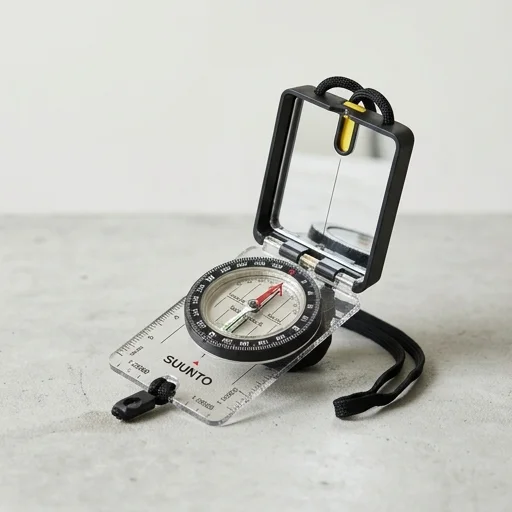 Compass4.7/5
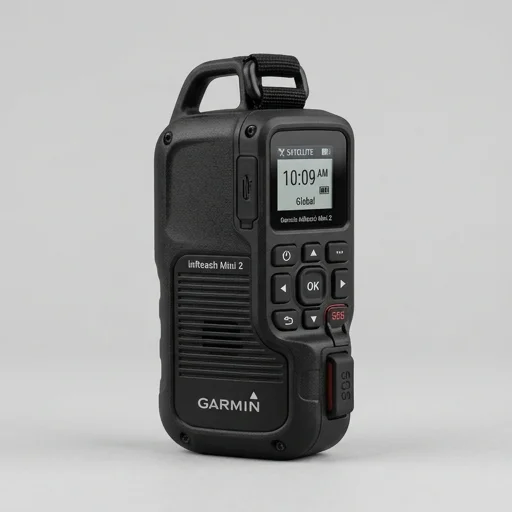 Satellite Communicator4.6/5
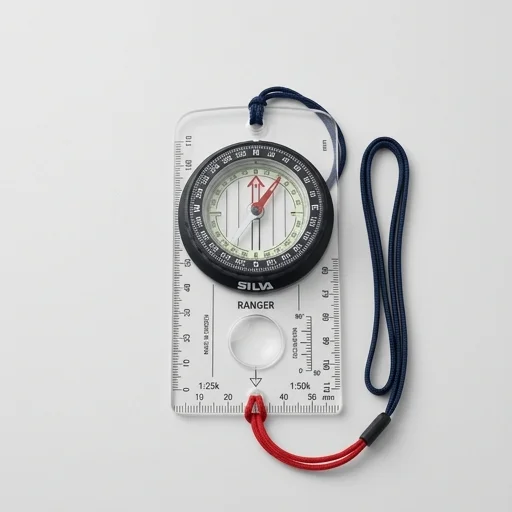 Compass4.6/5
 Watch4.5/5